Permits, fitness levels, sector allocation and the five decisions that separate a good trek from a difficult one.
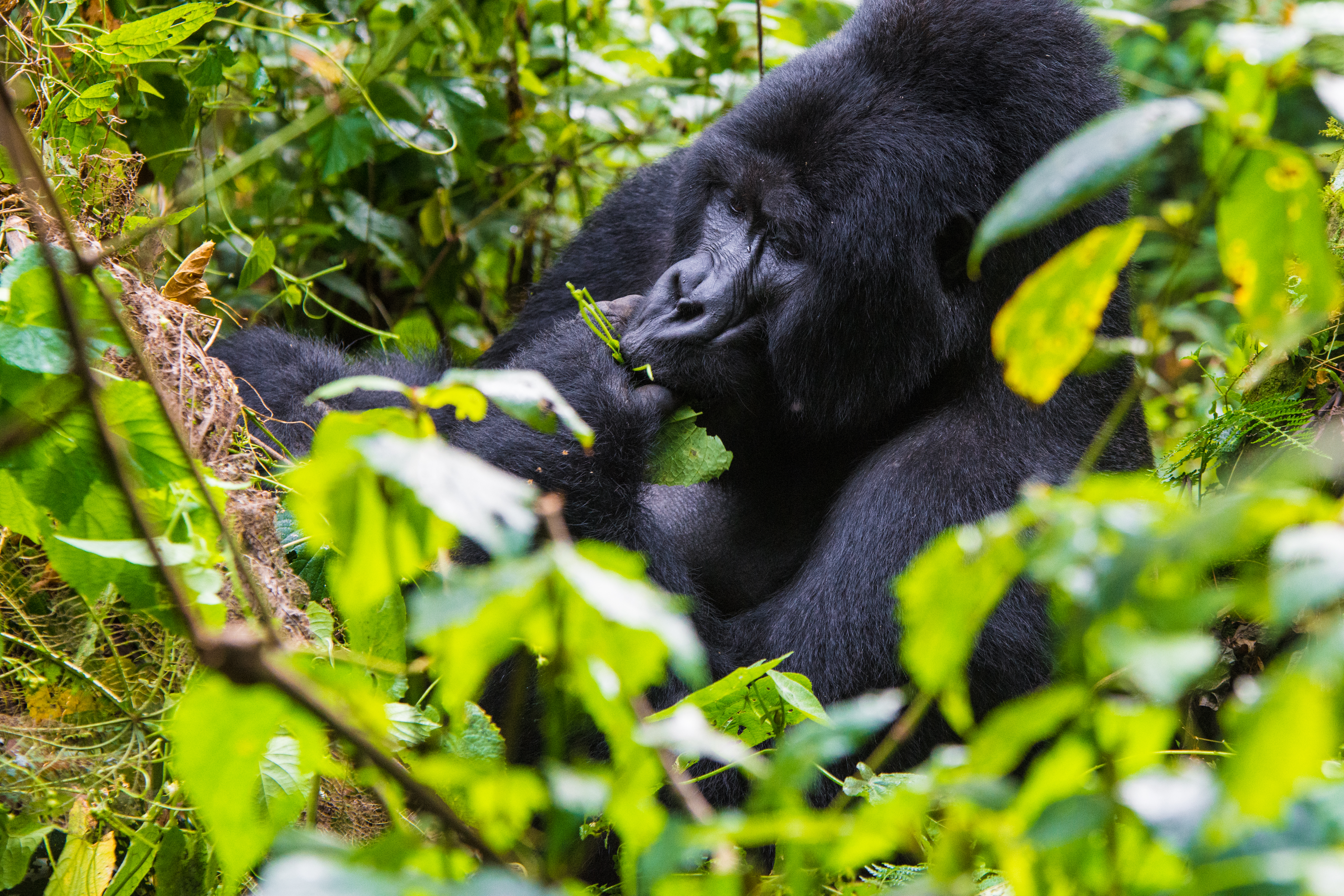
Gorilla trekking is the single most requested experience in our portfolio, and the one most often booked badly. Here is what actually matters. ## Permits are the whole game Rwanda issues a limited number of permits per day, per family. Uganda's are cheaper but no less finite. For a group of twenty in high season you should be holding permits nine to twelve months out. Everything else — flights, lodges, vehicles — can be moved. Permits cannot. ## Sector allocation is not random Families differ enormously in how far they range from the park boundary. A group with mixed fitness should be requesting the closer, more habituated families, and that request has to be made through the park authority in advance — not at 06:45 on the morning of the trek. ## Be honest about fitness - Altitude sits between 2,300 and 3,000 metres. - Terrain is steep, wet and thick with nettles. - Treks run from ninety minutes to seven hours, round trip. - Porters cost very little and change the day completely — book one per guest. ## The gear conversation Gaiters, gardening gloves, waterproofs and broken-in boots. We supply the first three as standard because guests reliably under-pack for a rainforest. > The hour with the family goes very fast. The preparation is what determines whether people spend it looking at gorillas or looking at their feet. ## Build a recovery afternoon Do not schedule anything of consequence after a trek. Massages, a long lunch and a fire. The debrief conversation that happens that evening is usually the emotional peak of the whole programme.